
Solar partners · Solar lead generation
Solar Lead Generation After the Federal Credit Ended
Solar lead generation in 2026 works best with owner-qualified, consented leads tied to equity and roof events, and honest proposals that no longer lean on the 25D credit.
For a decade, solar marketing sold the tax credit. With the Residential Clean Energy Credit gone for homeowner-owned systems placed in service after 2025, the lead sources that still work are the ones that find owners with a reason to act now: a new roof, a HELOC, a high bill, a new house. This page covers which sources those are and how to qualify them.
Key takeaways
- Qualify on four facts: ownership, roof condition, shading and 12 months of usage.
- Event-driven leads (equity, roof, purchase) outperform “free solar” ads on show rates.
- Remove every 30% credit reference from 2026 ads and proposals.
- Consent and accurate claims protect the channel you are paying for.
Which solar lead sources still work in 2026?
Referrals, roof and equity events, and consented requests from homeowners researching financing. Broad “free solar” ads and door knocking now produce more cancellations because the credit pitch is gone.
| Source | Ownership certainty | Typical issue |
|---|---|---|
| Customer referrals | High | Limited volume |
| Roofing partner hand-offs | High | Needs schedule coordination |
| Mortgage-moment requests (Mortgages+) | Stated on every lead | Exclusive, but only as many as homeowners request |
| Search ads for solar cost or financing | Medium | Many researchers, some renters |
| “Free solar” social ads | Low | Misunderstood offers, high cancellations |
| Door knocking | Medium | Cooling-off cancellations, local ordinances |
The common thread is intent tied to an event. The solar installer partner overview explains how those events line up with the mortgage calendar.
How do you qualify a solar lead quickly?
Confirm ownership, roof age and condition, shading and usage on the first call. If any one fails, park the lead in nurture instead of sending a designer.
| Question | Pass | Park or route |
|---|---|---|
| Do you own the home? | Own, or closing within 60 days | Renters: community solar if available |
| How old is the roof? | Under about 10–12 years, or reroof planned | Older roof: pair with a roofer first |
| Any big trees or shade? | Mostly open south, east or west exposure | Heavy shade: honest no |
| Can you share 12 months of bills? | Yes, or utility data authorization | No bills: revisit after a few months in the home |
An honest “not a fit” builds referrals. A homeowner you tell to replace the roof first will often call you back when the roofer finishes.
Add a fifth question once the four pass: how do you expect to pay? Owners who say cash or home equity can go straight to a cash-price design. Owners who expect installer financing need a clear explanation of the cash price, the financed amount and any dealer fee before the design meeting, so nothing surprises them at signing. Asking early also tells you which financing partner to involve and how long approval might take.
How should 2026 solar ads and proposals talk about incentives?
Say plainly that the federal Residential Clean Energy Credit is not available for homeowner-owned systems placed in service after 2025, and quote only state or utility incentives you can document.
- Ad copy: replace “30% tax credit” with financing-first messages such as “Compare cash, HELOC and loan costs for your roof.”
- Proposals: show the cash price, any dealer fee, the APR and total of payments for each option, and the assumptions behind production and savings.
- Incentives: link the customer to the IRS page and their state’s incentive listing; let them confirm with a tax advisor (IRS).
- Escalators: if you sell leases or PPAs, state the annual escalator and the 20- or 25-year total.
What the FTC expects
Claims about savings, credits and performance need a reasonable basis before you make them. The FTC’s consumer guidance tells homeowners to get multiple quotes and read contracts carefully, so assume your customer has read it (FTC).
Why do mortgage and equity events produce better solar leads?
They confirm ownership and expose the financing question early. An owner opening a HELOC already has a lender, an appraisal and a budget, so the decision is about value, not access.
Owners comparing equity products see the solar decision through rates and payments. If you can show the cash price and let the owner fund it with the cheapest money available to them, you remove the dealer-fee problem entirely. Buyers who read our guide to what a home equity line is arrive understanding variable rates and draw periods, which shortens your financing conversation.
Roofing is the other partner channel. Roofers see the owners whose roofs are new enough for panels and the owners who should reroof first. Coordinate schedules and quotes, but keep compensation to fair-value services, not per-referral fees, wherever a lender is involved.
How do you keep a purchased solar lead program compliant?
Call only consented leads about solar, honor stop requests at once, give in-home sales cancellation notices, and keep consent records with each lead.
- Step 1
Consent on file
Store each lead’s consent record (wording, timestamp, IP) with the lead in your CRM.
- Step 2
Stay on topic
Consent to hear about solar is not consent for unrelated offers or resale.
- Step 3
Cancellation notice
Provide the Cooling-Off Rule notice and form on in-home sales; follow your state’s solar disclosure rules.
- Step 4
Financing disclosures
Make sure the lender’s TILA disclosures reach the customer before they sign, and show the cash price alongside.
When you are ready to set a budget, the bid math for solar installers walks through cost per signed contract.
Frequently asked questions
What is a good solar lead?
A homeowner who owns the property, has a roof in good condition, little shading and can share a year of usage, and who asked to be contacted about solar.
Should I still sell solar without the federal credit?
Many installers do, competing on cash price, financing cost and utility rates. Proposals must reflect 2026 rules and documented local incentives.
Are door-to-door solar sales legal?
Generally yes with local permits, but the Cooling-Off Rule and state rules apply, and some municipalities restrict solicitation.
Can I buy leads that say ‘free solar’?
Be cautious. Those leads often misunderstand the offer and cancel. Intent-based leads that discuss financing honestly tend to hold up better.
How do I handle renters?
Be honest that rooftop solar requires the owner. Where available, mention community solar subscriptions.
Talking with a buyer who loves the roof but has not closed yet? Suggest a pre-approval for a home with solar potential before they make an offer.
More for solar installers and energy companies
 Solar Leads From Homeowners Weighing Equity and PanelsMortgages+ solar leads come from consented owners and buyers comparing a HELOC, cash or a loan for panels, each with a verified phone and ownership status. Bids from $25.
 Solar Leads Cost: Bids, Close Rates and Cost per InstallSolar leads on Mortgages+ start at a $25 bid, but plan on cost per signed install: total lead spend divided by contracts over a 60 to 90 day sales cycle.
Curious what the homeowner sees before they become your lead? Read our solar guide for homeowners.
Sources
Content reviewed November 18, 2026 against these authoritative sources.
- 1.IRS: Residential Clean Energy Credit
- 2.FTC: Solar Power for Your Home
- 3.eCFR: 16 CFR Part 429: Cooling-Off Rule
- 4.Cornell LII: 47 U.S.C. 227: Telephone Consumer Protection Act
- 5.U.S. Department of Energy: Homeowner’s Guide to Going Solar
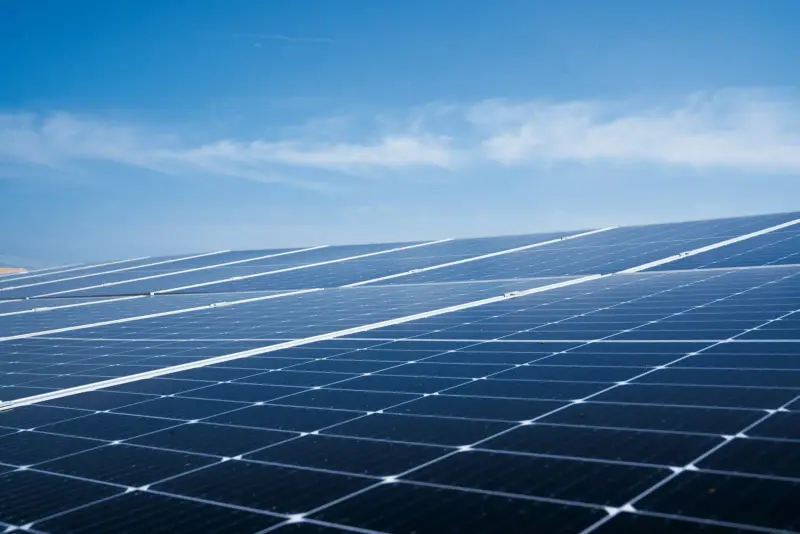
Photo: A solar panel under a blue sky by American Public Power Association on Unsplash (Unsplash License).

Mortgages+ marketplace
Start buying solar leads today
Create an account, add money and place your first bid. You control categories, ZIP codes, caps and price.
Already a partner? Sign in to the partner portal. Prefer to talk first? See partnerships, joint ventures and investor options.