Homeowner guide · Home inspection
Home Inspection Checklist for Buyers: What to Check and Ask
A buyer's home inspection checklist: book within days of an accepted offer, cover roof, structure, systems and safety, add radon or sewer tests, then negotiate repairs.
The inspection is your best chance to learn how a house has really been treated before you own it. It is also on a tight clock. Use this checklist to schedule quickly, know what a standard inspection covers and what it skips, read the report without panicking, and turn findings into a fair repair request.
Key takeaways
- Book the inspection within 2 to 3 days of your accepted offer; contingency windows are often only 7 to 10 days.
- A standard inspection is visual and covers the roof, structure, exterior, plumbing, electrical, heating, cooling and interior.
- Radon, sewer lines, termites, mold, pools and lead paint usually need separate tests or specialists.
- An FHA or lender appraisal is not an inspection; it does not check whether the furnace works.
- Ask for repairs or credits on safety, structure, water and major systems, not cosmetic items.
When should you schedule a home inspection?
Right after your offer is accepted, ideally within 48 to 72 hours. Your contract's inspection contingency, often 7 to 10 days, is the deadline to inspect, get quotes and ask for repairs.
Read your purchase contract for the exact number of days and whether they are calendar or business days. Work backward: you need the report, maybe a specialist visit and time to write a repair request before the window closes. If you can line up an inspector while you are still house hunting with a pre-approval, do it, so a single phone call books the date.
- Step 1
Day 0
Offer accepted. Call two inspectors, confirm license, price and report turnaround.
- Step 2
Days 1 to 3
Inspection, plus any add-ons you ordered. Attend the last hour if you can.
- Step 3
Days 3 to 6
Read the report, book specialists for anything flagged 'further evaluation'.
- Step 4
Days 6 to 9
Send your repair or credit request through your agent before the contingency deadline.
What does a standard home inspection cover?
A standard inspection is a visual, non-invasive look at the home's readily accessible systems: roof, exterior, structure and foundation, plumbing, electrical, heating and cooling, insulation and ventilation, and the interior.
Professional standards such as the ASHI Standard of Practice list what an inspector should examine and report (ASHI). Many states have their own standards. Use this checklist to follow along on inspection day.
| Area | What the inspector looks at | Questions to ask |
|---|---|---|
| Roof | Covering, flashing, gutters, signs of leaks | Roughly how many years are left on this roof? |
| Structure and foundation | Cracks, settlement, water intrusion, framing in the attic and crawlspace | Is this crack typical, or should a structural engineer look? |
| Exterior and grading | Siding, windows, doors, decks, slope of soil away from the house | Is water draining toward the foundation anywhere? |
| Plumbing | Supply and drain lines, water heater, visible leaks, water pressure | How old is the water heater, and is it properly vented? |
| Electrical | Service panel, breakers, wiring type, GFCI and AFCI protection | Is anything here a safety issue or an insurance problem? |
| Heating and cooling | Operation, age, visible condition of furnace, AC or heat pump | Should this system be serviced or replaced soon? |
| Attic, insulation, ventilation | Insulation depth, moisture, ventilation, signs of pests | Any staining or mold-like growth on the roof deck? |
| Interior | Walls, ceilings, floors, stairs, built-in appliances, smoke alarms | Which findings are cosmetic and which are not? |
Free · no obligation · Home inspection
Get matched with home inspection pros near you
Secure & privateNo costNo obligationConsent on the next screen
What does a home inspection not include?
Standard inspections usually exclude radon, sewer lines, termites and other wood-destroying insects, mold testing, lead paint, pools, septic systems, wells and anything hidden inside walls. Order those separately when the house calls for it.
| Add-on | Order it when | Why it matters |
|---|---|---|
| Radon test | Any home with a basement or ground contact, in any state | EPA recommends fixing homes at or above 4 pCi/L; radon is a leading cause of lung cancer |
| Sewer scope | Older homes, mature trees, or clay or cast-iron lines | Main-line repairs can be expensive and are often the owner's responsibility |
| Wood-destroying insect (WDO) inspection | Termite-prone regions, or when your lender requires it | Damage can hide behind finished surfaces |
| Lead-based paint inspection or risk assessment | Homes built before 1978, especially with young children | Federal law gives buyers a 10-day opportunity to test, unless waived |
| Septic and well testing | Rural homes without public sewer or water | Failures are costly and water quality affects health |
| Mold assessment | Musty smells, past leaks, staining | Moisture is the real problem; mold follows it |
EPA estimates radon causes about 21,000 lung cancer deaths a year in the U.S. and recommends action at 4 pCi/L or higher (EPA). For pre-1978 homes, sellers must disclose known lead-based paint and give buyers the EPA pamphlet (EPA). EPA's guide to moisture explains why fixing leaks matters more than testing for mold (EPA). If the home is on a well, our guide to water filtration for newly bought homes covers testing.
How should you prepare for inspection day?
Confirm access and utilities with the seller's agent, bring your questions and a phone for photos, attend the last hour, and ask the inspector to show you shutoffs, the panel and the biggest findings in person.
- Confirm that water, gas and electricity will be on. An inspector cannot test a furnace with the gas off.
- Ask the listing agent to clear access to the attic hatch, crawlspace, electrical panel and water heater.
- Bring the seller's disclosure form and ask the inspector to look closely at anything it mentions.
- Photograph the main water shutoff, the gas shutoff and the panel labels for your own records.
- Ask for the age of the roof, water heater and HVAC equipment, even if the report estimates it.
- Do not argue findings with the seller on site; take notes and let your agent handle negotiations.
If you are buying with a tight budget, ask the inspector which items are 'this year' problems and which are 'five years from now' problems. That one question turns a 60-page report into a plan you can afford, and it tells you how much cushion to keep in savings after closing.
Is the appraisal the same as an inspection?
No. The appraisal estimates value for the lender; the inspection examines condition for you. FHA buyers sign a HUD notice that says exactly this, and that FHA does not guarantee the home's condition.
HUD's 'For Your Protection: Get a Home Inspection' notice states that an appraisal does not replace an inspection (HUD). An appraiser may note obvious defects that affect value or safety, but will not run the dishwasher, open the electrical panel or crawl the attic. Our explainer on how a home appraisal works shows what appraisers do check.
How do you choose a home inspector?
Choose a licensed inspector (where your state licenses them) who carries insurance, follows a written standard of practice, sends a sample report with photos, and can inspect within your contingency window.
- License: check your state's licensing board; Texas, for example, licenses inspectors through the Texas Real Estate Commission.
- Standards: ask which standard of practice they follow (state, ASHI or InterNACHI) and get the pre-inspection agreement in writing.
- Sample report: look for photos, a summary page and clear 'repair', 'monitor' and 'evaluate' labels.
- Insurance: ask about errors and omissions and general liability coverage.
- Independence: an inspector should not offer to fix what they find. Ask how they handle that conflict.
- Timing: a firm date inside your window and report delivery within 24 hours.
Your agent may give you names, and that is fine, but the choice is yours. The CFPB encourages buyers to shop for services they are allowed to choose (CFPB). Request matched help below and an inspector serving your ZIP can reach out within minutes.
What should you do after the inspection report arrives?
Sort findings into safety, major systems, water and structure versus cosmetic and maintenance. Get quotes for the first group and ask the seller for repairs, a price reduction or a closing credit before your deadline.
| Finding type | Typical request | Example |
|---|---|---|
| Safety hazard | Repair by a licensed pro before closing | Missing GFCI protection near water, double-tapped breakers |
| Major system near end of life | Credit or price reduction | A 14-year-old AC or a roof with few years left |
| Active water intrusion | Repair plus documentation | Basement seepage, roof leak staining |
| Cosmetic or routine | Usually none; budget it yourself | Worn caulk, a sticky door |
Credits change your cash to close, so rerun the numbers with the closing cost calculator and tell your lender early; credits may be limited by loan type. Big-ticket items may also affect your insurance quote, so read up on buying homeowners insurance for a new purchase. Older appliances that pass inspection may still fail next year, which is the case for considering whether a home warranty pays off.
Keep the report
Your inspection report becomes your first maintenance plan. Save it with your closing documents and revisit the 'monitor' items each year.
Frequently asked questions
How long does a home inspection take?
Most single-family inspections take two to four hours, longer for large or older homes or when add-ons such as a sewer scope are included.
Should I attend the home inspection?
Yes, at least for the last hour. The inspector can show you the main shutoffs, the panel and the issues that matter, which is easier than reading about them later.
Can a seller refuse to make repairs?
Yes. The seller can agree, offer a credit, counter or refuse. Your contingency lets you walk away or renegotiate within the deadline if the contract allows it.
Is a home inspection required for an FHA loan?
No, but HUD strongly encourages one. FHA buyers receive a notice explaining that the appraisal is not an inspection and that FHA does not guarantee the home's condition.
Do new construction homes need an inspection?
It is still worth doing. Builders and municipal inspectors miss things, and an independent inspection before closing or before the one-year warranty ends can catch defects while they are covered.
What is the most expensive thing an inspection can find?
Foundation movement, sewer main failure, roof replacement and major water intrusion are among the costliest findings, which is why add-ons like a sewer scope are worth considering.
Haven't made an offer yet? Sellers move faster for buyers who can show a pre-approval letter with their offer, and it gives you more time for the inspection.
Related on Mortgages+
More homeowner guides
 Is a Home Warranty Worth It? How to Decide for Your HomeA home warranty can be worth it if your systems and appliances are older and a surprise repair would strain your budget; read the service fee, caps and exclusions first.
 Home Security for New Homeowners: Your Move-In ChecklistNew homeowners should rekey exterior locks, reset every code and smart device, test smoke and CO alarms, then choose monitoring and ask the insurer about discounts.
 Water Filtration for a New Home: Test First, Then TreatTest before you filter. On city water, read the utility’s annual water report; on a well, get a certified-lab test. Then buy NSF-certified gear that fits the results.
 Moving Checklist for Home Buyers: Week by Week to ClosingBook movers 4–8 weeks before closing, verify an interstate mover’s USDOT number, get written estimates after a survey, and plan move day around funding and keys.
Run a home inspection business? Bid on home inspection leads from homeowners like these in the Mortgages+ partner marketplace.
Sources
Content reviewed November 18, 2026 against these authoritative sources.
- 1.HUD: For Your Protection: Get a Home Inspection (HUD-92564-CN)
- 2.CFPB: What is a home inspection?
- 3.ASHI: ASHI Standard of Practice
- 4.EPA: Health Risk of Radon
- 5.EPA: Real Estate Disclosures About Potential Lead Hazards
- 6.EPA: A Brief Guide to Mold, Moisture and Your Home
- 7.CFPB: Buying a House: Prepare to shop
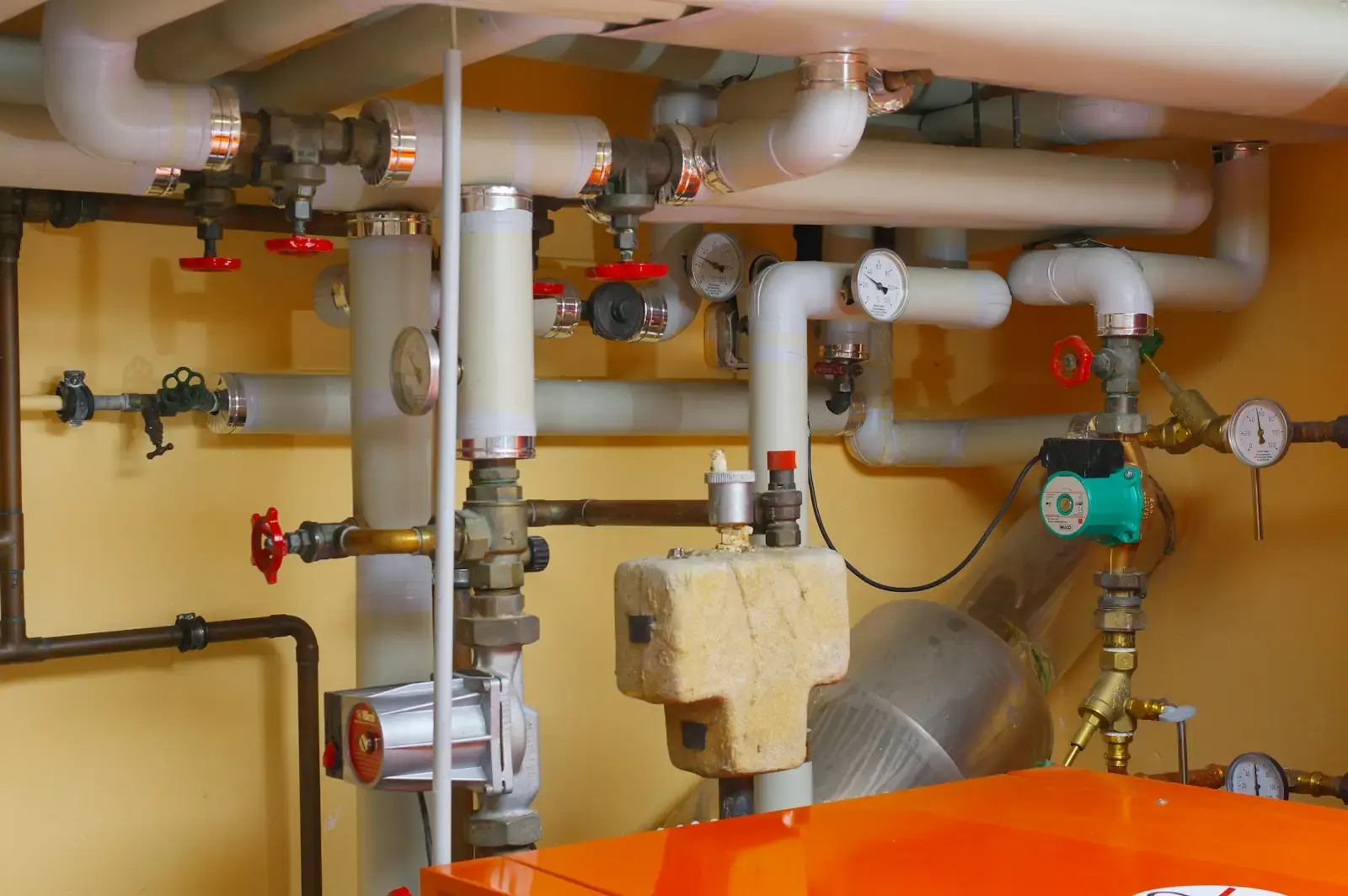
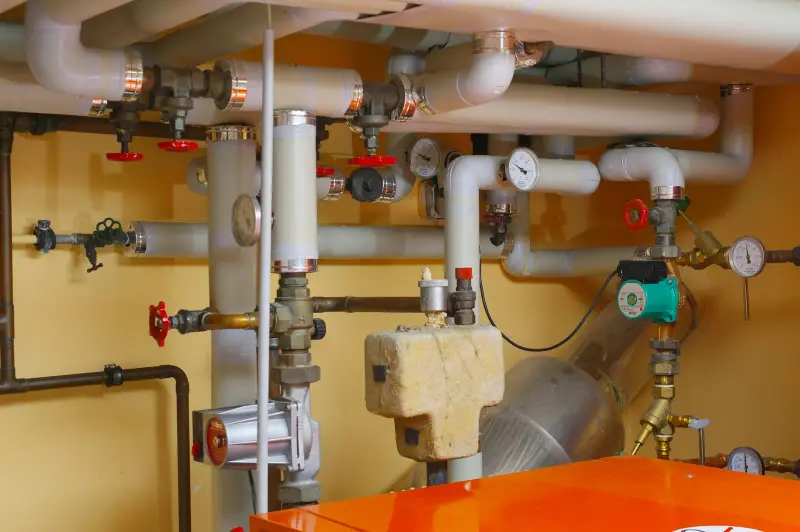
Photo: Pipes and valves in a home utility room by Immo Wegmann on Unsplash (Unsplash License).
Mortgages+ is a marketing platform, not a lender, insurer or service provider. When you request help, we match your request with one participating home inspection provider serving your ZIP code, who pays Mortgages+ for it. Mortgages+ may receive compensation from some companies featured on this site.
Ready when you are
Tell us a little about your home and we’ll match you with vetted help nearby.
Get matched →