Homeowner guide · Home security
Home Security for New Homeowners: Your Move-In Checklist
New homeowners should rekey exterior locks, reset every code and smart device, test smoke and CO alarms, then choose monitoring and ask the insurer about discounts.
When you buy a home, you also inherit every key, code and connected device the previous owners handed out. The first two weeks are the right time to take control: change who can get in, decide what to keep from the old system, and set up protection that fits how you live. Here is a move-in plan, in order.
Key takeaways
- Rekey or replace every exterior lock in week one; you cannot know who still has a key.
- Change the garage opener, keypad, alarm and smart-lock codes, and factory-reset any connected device the seller left.
- Test smoke alarms and replace any older than 10 years; add carbon monoxide alarms if you have gas appliances or an attached garage.
- You are not bound by the seller's monitoring contract unless you agree to take it over.
- Ask your insurer about discounts for deadbolts, smoke alarms and monitored systems.
What should new homeowners do for security in the first week?
Rekey the exterior locks, change every code, reset connected devices, test smoke and CO alarms, and decide what to do with any alarm system left behind. These steps cost little and close the biggest gaps.
- Step 1
Day 1: Locks
Rekey or replace front, back, side, garage-entry and slider locks. Add deadbolts where there are none.
- Step 2
Day 1: Codes
Reprogram the garage door opener and keypad, alarm panel codes and any smart-lock user list.
- Step 3
Days 2 to 3: Devices
Factory-reset thermostats, cameras, doorbells, hubs and smart locks, then register them to your own accounts.
- Step 4
Days 2 to 3: Life safety
Test smoke and CO alarms, check manufacture dates and replace old units.
- Step 5
Week 1 to 2: Decide on monitoring
Inspect the old panel, read any transfer offer, compare quotes and ask your insurer about discounts.
If you are still in the moving process, add these to your new-homeowner moving checklist so they happen the day you get the keys.
Should you rekey or replace the locks?
Rekeying is usually enough and costs less: a locksmith changes the pins so old keys stop working. Replace locks when they are worn, low quality, mismatched, or when you want keypad or smart deadbolts.
| Option | What changes | Best when |
|---|---|---|
| Rekey | Internal pins, so old keys no longer work; same hardware | Locks are in good shape and you want one key for every door |
| Replace with standard deadbolts | New hardware and keys | Locks are worn or there are no deadbolts |
| Replace with keypad or smart deadbolts | Codes or app access instead of, or in addition to, keys | You have caregivers, contractors, tenants or kids who lose keys |
- Count every exterior door, including the door from the garage into the house and basement doors.
- Use strike plates with long screws that reach the framing; a strong lock in a weak frame is still weak.
- Ask for keyed-alike locks so one key opens every door.
- Do not forget mailboxes, sheds, gates and lockboxes left by the agent.
Free · no obligation · Home security
Get matched with home security pros near you
Secure & privateNo costNo obligationConsent on the next screen
How do you secure smart devices the previous owner left?
Factory-reset each device, remove it from the seller's accounts (ask the seller to release it if needed), register it to your own account with a new strong password, update its software and change your Wi-Fi password.
A doorbell camera or smart lock that is still linked to someone else's account can let them see your door or unlock it. CISA's guidance for home users is to use long, unique passwords, turn on multi-factor authentication and update software (CISA).
- Router: change the admin password and the Wi-Fi password, and update its firmware.
- Cameras and doorbells: reset, re-register, review who has shared access and where video is stored.
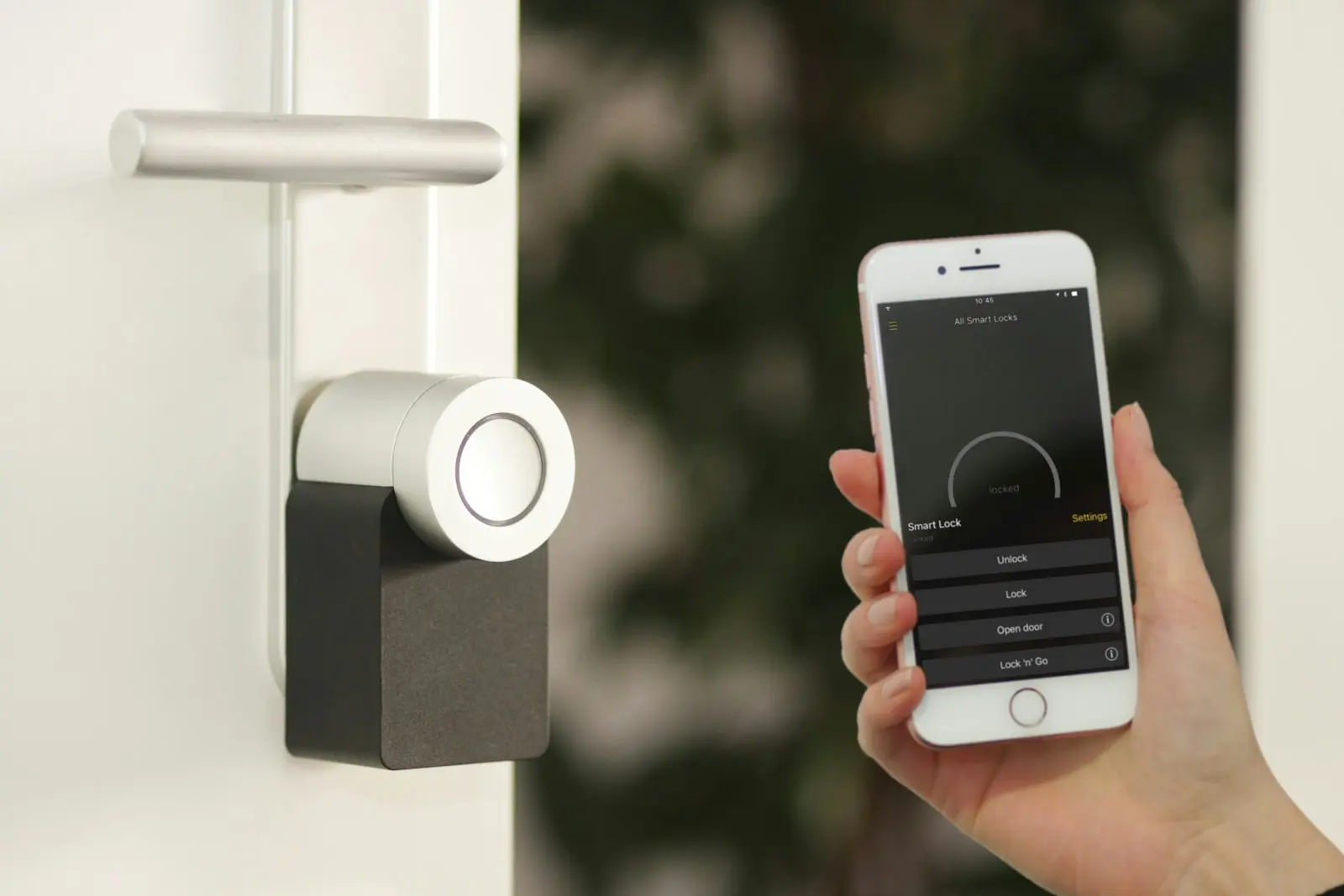
- Smart locks and garage controllers: delete every user code and shared user.
- Thermostats, hubs and speakers: reset and remove the old household's profiles.
- Ask the seller in writing to remove the home from their apps before closing.
Do you need a monitored alarm system?
Not always. Monitoring makes sense if you travel, have a larger or isolated home, want fire and CO monitoring while you are away, or want an insurance discount. Self-monitored systems and cameras cost less but rely on you to respond.
| Option | Who responds | Typical costs | Watch out for |
|---|---|---|---|
| Professional (central station) monitoring | A monitoring center that can dispatch police or fire | Equipment, installation and a monthly fee, sometimes under a contract | Contract length, auto-renewal and cancellation terms |
| Self-monitored system | You, through phone alerts | Equipment and an optional app subscription | Missed alerts while you sleep or travel |
| Cameras and video doorbell only | You | Hardware plus cloud video plans | Privacy settings and who can view footage |
| Seller's existing panel | Depends on the provider | Varies; may be locked to a dealer | Leased equipment and transfer offers |
You did not sign the seller's monitoring contract, so you are not bound by it unless you choose to take it over. Many providers will offer a transfer; compare it with fresh quotes. Many cities also require an alarm permit for monitored systems and charge for repeated false alarms, so ask your city or county.
Three days to change your mind
If you buy a system from a salesperson at your home, the FTC's Cooling-Off Rule generally gives you until midnight of the third business day to cancel, and the seller must give you a cancellation form. Do not let anyone rush you on the doorstep.
More on that right is in the FTC's guide (FTC) and the rule itself (16 CFR Part 429).
Which smoke and carbon monoxide alarms do you need?
Install smoke alarms on every level, inside each bedroom and outside sleeping areas, test them monthly and replace any older than 10 years. Add CO alarms on every level and near sleeping areas if you have fuel-burning appliances or an attached garage.
The U.S. Fire Administration recommends testing smoke alarms monthly and replacing them 10 years from the manufacture date printed on the back (USFA). The CPSC recommends carbon monoxide alarms on each level of the home and outside sleeping areas (CPSC). A monitored system can add smoke and CO sensors that alert a monitoring center when nobody is home.
- Check the date on each alarm the seller left; many homes have alarms older than the owners realize.
- Choose interconnected alarms so that one alarm sounds them all.
- Locate the main water shutoff and gas shutoff during your first week, and show everyone in the home.
How do you choose a home security company?
Get at least two written quotes, confirm the company is licensed in your state, compare equipment, installation, monthly fees, contract length, auto-renewal and cancellation terms, and walk away from anyone who pressures you to sign today.
- License: most states license alarm companies and many license installers. Ask for the numbers and check them with your state.
- Ownership of equipment: do you own the equipment, or is it leased and removed if you cancel?
- Contract: length in months, what happens at renewal, and the cost to cancel early.
- Monitoring: who monitors, whether smoke and CO are included, and how alarms are verified before dispatch.
- Video: where footage is stored, for how long, and what the cloud plan costs each month.
- Moving again: can the system and contract move with you if you sell?
Be wary of door-to-door sellers who claim to be from your current provider or say your system needs an urgent 'upgrade'. Ask for identification, take their written offer and call the company back at a number you look up yourself. A good company will still be there tomorrow.
Can home security lower your homeowners insurance?
Often, yes. Many insurers offer discounts for deadbolts, smoke alarms and security systems, usually larger for professionally monitored systems. Ask your insurer what qualifies and send proof, such as a monitoring certificate.
State regulators encourage homeowners to ask about discounts for dead-bolt locks, smoke alarms, fire extinguishers, sprinkler systems and security systems (Utah Insurance Department), and the NAIC lists home security devices such as burglar alarms among features that can earn discounts (NAIC). The amount varies by insurer and state, so compare the discount with the monitoring cost rather than assuming the system pays for itself.
If you are still choosing a policy, our explainer on insuring a home before closing day covers what lenders require. Planning a bigger security upgrade along with renovations? Compare ways of paying for home improvements and estimate the effect on your budget with the mortgage payment calculator. Request matched quotes below and security companies serving your ZIP can reach out with written pricing.
Frequently asked questions
Do I have to keep the previous owner's alarm contract?
No. The contract was between the seller and the provider. You can take over a transfer offer, sign with someone else or go without monitoring.
How soon should I rekey after moving in?
On the day you get the keys, or as soon as possible after. You cannot know how many copies of the old keys exist.
Are video doorbells enough security?
They help with deliveries and visitors, but they do not detect entry through other doors or windows and only work if you respond to alerts.
How do I remove a camera from the seller's account?
Factory-reset the device and register it to your account. If it stays locked, ask the seller to release it in their app or contact the manufacturer with proof of ownership.
How much of an insurance discount does an alarm give?
It depends on the insurer, the state and whether the system is professionally monitored. Ask your insurer for its specific discount and what proof it needs.
Can I cancel an alarm contract I signed at home?
If the sale was made at your home, the FTC's Cooling-Off Rule generally lets you cancel until midnight of the third business day. Some states give more time.
Not under contract yet? Before you tour homes, see your pre-approval amount before you get the keys so your security budget fits the rest of the move.
Related on Mortgages+
More homeowner guides
 Water Filtration for a New Home: Test First, Then TreatTest before you filter. On city water, read the utility’s annual water report; on a well, get a certified-lab test. Then buy NSF-certified gear that fits the results.
 Moving Checklist for Home Buyers: Week by Week to ClosingBook movers 4–8 weeks before closing, verify an interstate mover’s USDOT number, get written estimates after a survey, and plan move day around funding and keys.
 Paying for Solar Panels With a HELOC: Options ComparedA HELOC can fund solar at the cash price with no dealer fee, but your home secures it and the rate can change. Compare it with cash, solar loans, leases and PPAs first.
 How to Pay for a New Roof, HVAC or RemodelWays to finance home improvements: a HELOC, a home equity loan, a cash-out refinance, an FHA 203(k) or other renovation loan, a personal loan or contractor financing.
Run a home security business? Bid on home security leads from homeowners like these in the Mortgages+ partner marketplace.
Sources
Content reviewed November 18, 2026 against these authoritative sources.
- 1.U.S. Fire Administration (FEMA): Smoke alarms
- 2.CPSC: Carbon Monoxide Information Center
- 3.CISA: Use Strong Passwords
- 4.FTC: Buyer's Remorse: The FTC's Cooling-Off Rule May Help
- 5.eCFR: 16 CFR Part 429: Cooling-Off Rule
- 6.Utah Insurance Department: Saving on Your Homeowner's Insurance
- 7.NAIC: Searching for a Homeowners Insurance Policy? Tips to Get the Most Value
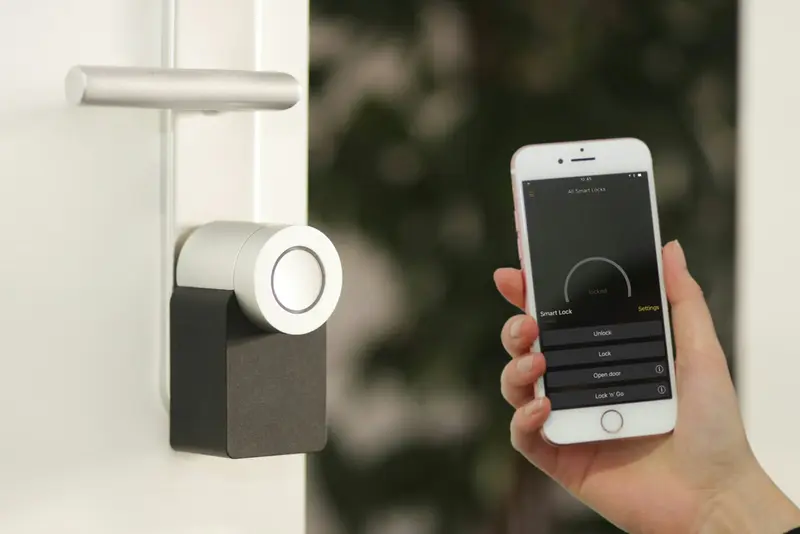
Photo: Unlocking a smart door lock from a phone on Unsplash (Unsplash License).
Mortgages+ is a marketing platform, not a lender, insurer or service provider. When you request help, we match your request with one participating home security provider serving your ZIP code, who pays Mortgages+ for it. Mortgages+ may receive compensation from some companies featured on this site.
Ready when you are
Tell us a little about your home and we’ll match you with vetted help nearby.
Get matched →