Solar partners · Solar leads cost
Solar Leads Cost: Bids, Close Rates and Cost per Install
Solar leads on Mortgages+ start at a $25 bid, but plan on cost per signed install: total lead spend divided by contracts over a 60 to 90 day sales cycle.
Solar has the longest sales cycle of any home service we serve, and the largest ticket. That combination makes cost per lead almost meaningless on its own. This page shows how to budget for solar leads, what to measure and how to set a bid you can defend to your CFO.
Key takeaways
- You set your bid from $25; you pay only for exclusive leads you win.
- Measure cost per signed contract over 60 to 90 days, not cost per lead.
- Ownership and roof qualification rates drive cost per install more than price does.
- Cancellations count: net signed contracts after the cooling-off period are the real denominator.
How much do solar leads cost on Mortgages+?
Bids start at $25 per lead and you choose the amount. The highest funded bid in each ZIP wins each lead exclusively, and your prepaid wallet is charged your bid only for leads you win.
You add funds, choose ZIPs and caps, and bid. There is no per-install fee on Real-Time Leads. The solar partner program overview explains the other two offers, Joint Ventures and Partnerships.
How do you calculate cost per solar install?
Divide lead spend by net signed contracts after cancellations. With $3,300 in leads and 4 installs, cost per install is $825, compared against gross margin per job.
| Stage | Count | Rate |
|---|---|---|
| Leads won at $55 | 60 ($3,300) | — |
| Contacted | 44 | 73% of leads |
| Confirmed owner, roof OK | 30 | 68% of contacted |
| Proposal presented | 16 | 53% of qualified |
| Signed | 6 | 38% of proposals |
| Net after cancellations | 4 | 67% of signed |
| Cost per net install | $825 | — |
Notice how much the last row matters. If two of six signed contracts cancel inside the cooling-off window, your cost per install rises by half. Clear proposals with the cash price and honest assumptions reduce cancellations more than any discount does.
What bid should a solar installer start with?
Start from break-even: gross margin per install times net installs per lead. With $6,000 margin and one install per 15 leads, break-even is $400 per lead; most installers bid far below it at first.
- Step 1
Estimate margin
Average contract value minus equipment, labor, permitting, overhead and financing costs. Example: $6,000.
- Step 2
Estimate net installs per lead
From your history or a 90-day test. Example: 4 of 60 = 1 in 15.
- Step 3
Break-even
$6,000 ÷ 15 = $400 per lead.
- Step 4
Choose a target
If you want acquisition under 15% of margin, target $900 per install, or $60 per lead at this conversion.
Bid by ZIP, not by state
Utility rates, roof types and home values vary by ZIP. Raise bids where your close rate is proven and keep tests at the minimum elsewhere.
How does financing mix affect what a solar lead is worth?
Cash and HELOC-funded customers avoid dealer fees and tend to cancel less, so a lead from an equity-rich owner is often worth more than one who needs a high-fee solar loan.
| Customer funds with | Effect on your margin and risk |
|---|---|
| Cash or HELOC | No dealer fee; simpler close; fewer surprises at signing |
| Low-rate solar loan with dealer fee | Fee may reduce your net or raise the customer’s price; disclose it |
| Lease or PPA | Lower upfront revenue; depends on your financing partner’s terms |
| PACE | Federal ability-to-repay rules now apply; slower approvals |
The CFPB has highlighted hidden dealer fees on solar loans (CFPB). Homeowners who compare equity options first, as our roof, HVAC and home project financing guide teaches, tend to ask about fees early.
What budget should a solar installer set for a first lead test?
Enough leads to produce a few signed contracts: often 40 to 80 leads over 60 to 90 days. At a $50 bid that is $2,000 to $4,000, sized to what your designers can work.
A test that buys ten leads tells you almost nothing in solar, because one signature more or less swings the result wildly. Plan the test so the funnel has room to work, and decide in advance what result would make you scale, hold or stop.
| Decision | Rule set before you start |
|---|---|
| Leads to buy | 60 over 90 days at a fixed bid and cap |
| Scale if | Cost per net install is under your target and qualified rate holds |
| Hold if | Installs are close to target; fix follow-up before changing bid |
| Stop or retarget if | Owner-qualified rate is low in specific ZIPs; remove them |
Fund the wallet gradually if you prefer: your bid simply pauses when the balance drops below four times your bid, and you top up when ready.
When does a Joint Venture beat buying solar leads?
When you want branded demand in a defined market and can staff a longer nurture. A JV costs a monthly retainer and may carry a success fee; per-lead buying is better for testing new ZIPs.
- Choose Real-Time Leads to test markets, fill design capacity and control spend week to week.
- Choose a Joint Venture for a 6- to 12-month brand push with content and email under your name.
- Choose a Partnership if you expect to buy leads for years and want the 30% discount plus featured placement.
Terms for each are on the Mortgages+ program terms page. Before you scale, revisit the owner-qualification steps for solar leads.
Frequently asked questions
What is the minimum bid for solar leads?
$25 per lead. Many installers bid more in competitive ZIPs, because the highest funded bid wins each lead exclusively.
How long before I know if solar leads are working?
Give it 60 to 90 days of leads, because proposals and signatures take weeks.
Do I pay if the homeowner cancels?
You pay for each lead you win regardless of outcome, so include cancellations in your cost-per-install math.
Can I exclude renters?
Each lead states own, buying or rent. Prioritize owners in your follow-up and adjust ZIPs where renters dominate.
Is there a long-term contract?
No for Real-Time Leads: it is a prepaid wallet you can pause. Joint Ventures and Partnerships have written terms.
Who handles licensing and legal work for success fees or revenue sharing?
The partner does. Any success-fee or revenue-share arrangement that requires state licensing, regulatory approval or a specific legal structure (for example, settlement-service providers covered by RESPA) must be handled independently by the partner, or the licensing, contracting and legal work needed to make it compliant will be billed in addition to the program fees. Settlement-service providers such as lenders, title and escrow companies and real estate agents pay a flat marketing fee at fair market value, never a success fee tied to closings, and Real-Time Leads are always priced per lead delivered.
Any success-fee or revenue-share arrangement that requires state licensing, regulatory approval or a specific legal structure (for example, settlement-service providers covered by RESPA) must be handled independently by the partner, or the licensing, contracting and legal work needed to make it compliant will be billed in addition to the program fees.
Some prospects are mid-purchase. Point them to a pre-approval that factors in future panel payments so the numbers hold at underwriting.
More for solar installers and energy companies
 Solar Leads From Homeowners Weighing Equity and PanelsMortgages+ solar leads come from consented owners and buyers comparing a HELOC, cash or a loan for panels, each with a verified phone and ownership status. Bids from $25.
 Solar Lead Generation After the Federal Credit EndedSolar lead generation in 2026 works best with owner-qualified, consented leads tied to equity and roof events, and honest proposals that no longer lean on the 25D credit.
Curious what the homeowner sees before they become your lead? Read our solar guide for homeowners.
Sources
Content reviewed November 18, 2026 against these authoritative sources.
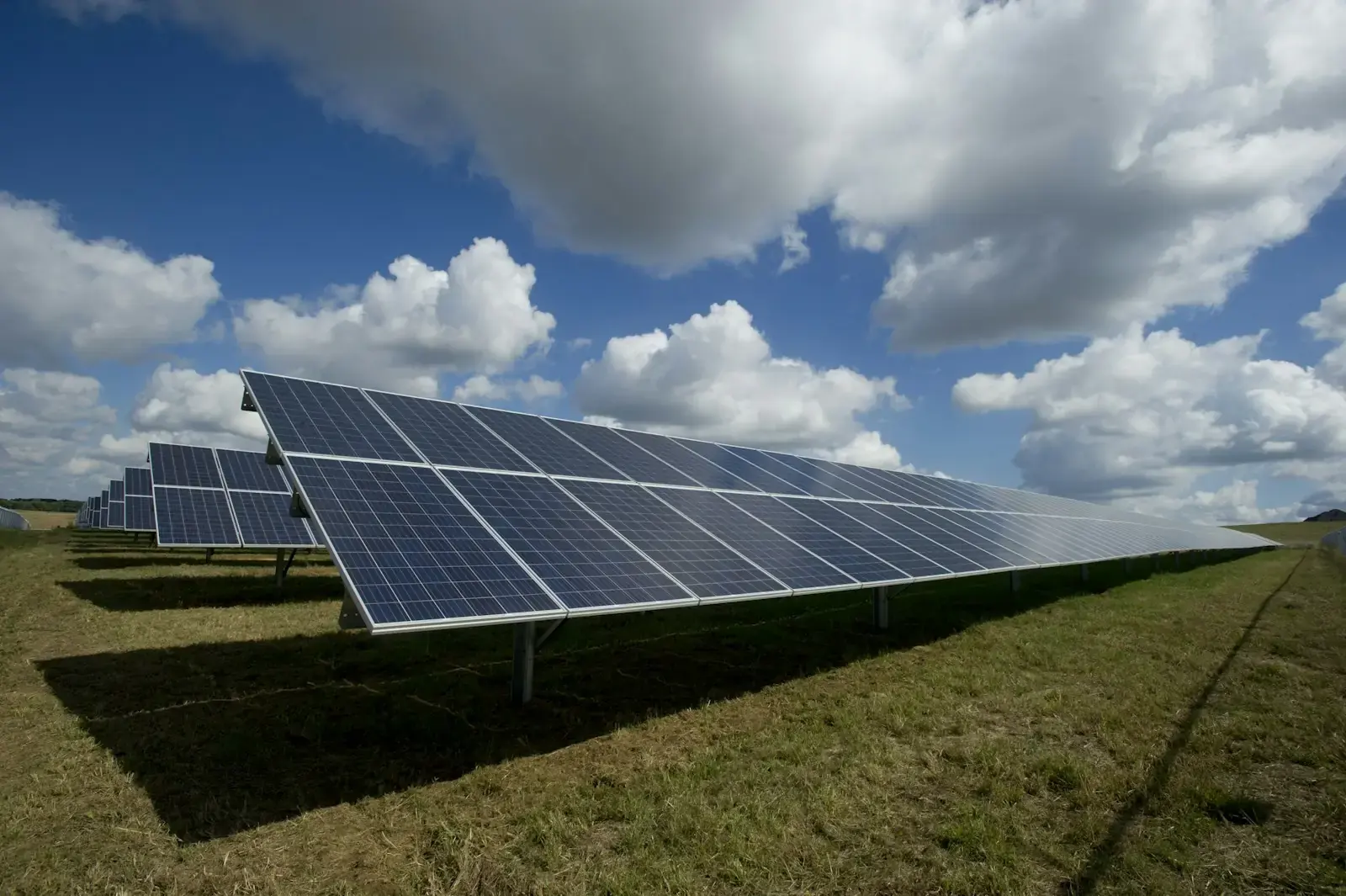
Photo: Solar panels on a green field by American Public Power Association on Unsplash (Unsplash License).

Mortgages+ marketplace
Start buying solar leads today
Create an account, add money and place your first bid. You control categories, ZIP codes, caps and price.
Already a partner? Sign in to the partner portal. Prefer to talk first? See partnerships, joint ventures and investor options.