
For solar installers and energy companies
Solar Leads From Homeowners Weighing Equity and Panels
Mortgages+ solar leads come from consented owners and buyers comparing a HELOC, cash or a loan for panels, each with a verified phone and ownership status. Bids from $25.
Solar is a financing decision before it is an energy decision. The homeowners who move forward are the ones who know how they will pay, and in 2026 that question matters more than ever because the federal Residential Clean Energy Credit no longer applies to new homeowner-owned installations. Mortgages+ meets owners at the moment they are already thinking about equity, rates and monthly payments, and hands you a consented, phone-verified request that says whether they own the home.
Key takeaways
- Leads are consumer-requested, verified by one-time code and tagged with ZIP, timeline and ownership (own, buying or rent).
- The best windows are equity events: a HELOC or cash-out refinance, a recent purchase, and roof replacements.
- The 25D credit ended for homeowner-owned systems installed after December 31, 2025, so honest financing comparisons now carry the sale.
- Never promise tax credits or savings you cannot document; disclose dealer fees and the cash price.
- Real-Time Leads start at $25 per lead with ZIP targeting and daily caps.
When do solar leads happen around a mortgage?
Every lead on Mortgages+ starts at a mortgage moment: a purchase, a refinance or an equity decision. These are the windows when homeowners need you most.
- 1
First year after purchase
3–12 months after closing
Usage review with real bills and a cash-price proposal
- 2
Roof replacement
When the roof is 15+ years old or failed inspection
Coordinated reroof and solar install
- 3
HELOC or home equity loan
Application through first draw
A documented project budget and quote
- 4
Cash-out refinance
30–45 days before closing
A firm quote the owner can fund at closing
- 5
Utility rate increase
After rate-case announcements
A fixed-cost comparison over 10 and 20 years
- 6
Selling a home with leased panels
Pre-listing
Help with lease transfer or buyout paperwork
Why do mortgage-moment leads work for solar installers?
Because the homeowner is already thinking about equity, rates and monthly costs. A buyer planning first-year upgrades or an owner opening a HELOC has the financing question half answered.
Classic solar lead generation leans on door knocking and “free solar” ads that attract renters, people with shaded roofs and people who think the panels cost nothing. Mortgage moments filter for the opposite: owners with equity, buyers who just passed an inspection that commented on the roof, and households comparing a home equity line with cash. Our homeowner guide on paying for solar panels with a HELOC compares those options side by side and sends requests to installers in the reader’s ZIP.
- Ownership is stated: each lead says own, buying or rent, so you can skip renters or route them to community solar programs.
- Financing context is fresh: the person is in a mortgage, refinance or equity conversation.
- Phones are real: every lead confirmed a 6-digit code sent to their own mobile.
- Expectations are set: our consumer content explains that the federal credit ended for new owner-installed systems and that savings depend on rates and usage.
How did the end of the 25D credit change solar selling in 2026?
The Residential Clean Energy Credit does not apply to property placed in service after December 31, 2025. Owner-financed systems now compete on price, financing cost and utility rates alone.
The One Big Beautiful Bill Act, signed July 4, 2025, ended the Section 25D credit early. The IRS states the credit is not available for property placed in service after December 31, 2025, and that excess unused credit from earlier years can still be carried forward (IRS). For 2026 sales, that means three things.
- Do not mention a 30% federal credit for a 2026 homeowner-owned installation. Tell customers to check current IRS guidance and their own tax advisor.
- Third-party-owned systems (leases and PPAs) may still involve business tax credits under separate rules. If those affect pricing, explain the pricing, not the tax law.
- State and utility incentives still exist in many places. Point customers to the state incentive database (DSIRE) and quote only what you can document for their address.
Old proposals are a liability
Audit every proposal template, website page and sales script for “30% tax credit” language. A 2026 proposal that still shows the credit in the payback math is the fastest route to a cancellation, a complaint and possibly a regulator’s letter.
The upside is a cleaner sale. Without a credit to wait for, the homeowner’s question becomes simple: what does this system cost, how will I pay for it, and what will it produce on my roof under my utility’s current rates? Installers who answer those three questions in writing, with the cash price on page one, tend to see fewer cancellations and better reviews than those still selling a tax refund. Equity-rich owners who fund the cash price with a home equity line or savings are the natural core of that market, which is exactly who reaches you through a mortgage moment.
When in the mortgage timeline do homeowners buy solar?
After closing, once the new owner knows the bills; at a roof replacement; and when owners open a HELOC or cash-out refinance for improvements. Buyers rarely add solar before closing.
New buyers usually wait at least a few months so they can see a full billing cycle and avoid adding debt during underwriting. Owners with 20% or more equity are the core market, because a home equity line often carries a lower stated rate than an unsecured solar loan, and there is no dealer fee to bury. Roof replacements are the other big moment: installing panels on a 15-year-old roof means paying to remove and reinstall them later. Our roofing and HVAC contractor program catches those projects from the other side.
| Moment | What the homeowner wants | Lead with |
|---|---|---|
| 3–12 months after purchase | Proof of savings on their actual bills | Usage review from 12 months of utility data |
| Roof replacement | One project, not two | Coordinated reroof and install schedule |
| HELOC or cash-out refinance | A sensible use of equity | Cash-price proposal they can finance anywhere |
| Rate shock on utility bill | Predictability | Fixed-cost comparison over 10 and 20 years |
How do the Mortgages+ offers work for solar companies?
Bid on consented solar requests from $25, hire us for a Joint Venture campaign in your markets, or become a founding Partner and earn the fee back at a 30% discount on leads.
- Step 1
Real-Time Leads
Fund a prepaid wallet of at least four times your bid, select solar and your ZIPs, bid $25 or more and set daily caps. Each lead includes ownership status, timeline and home situation, and goes exclusively to the highest funded solar bidder for that ZIP.
- Step 2
Joint Ventures
A monthly retainer funds dedicated campaigns: content explaining financing options in your state, email to equity-rich owners, social and landing pages, with monthly reporting. Solar installation is not a RESPA settlement service, so a success fee on closed installs (less the retainer paid) may apply.
- Step 3
Partners
Founding partners pay a one-time fee for a stake in the platform’s growth and earn it back inside the bidding system at a 30% discount on leads, with featured placement and co-marketing kits.
See how solar lead generation works when the credit is gone for qualification and channel advice, and solar lead pricing and cost per install for bid math. All terms are on the Mortgages+ partner offers page.
01 · Bid from $25 per lead
Real-Time Leads
Bid from $25 per consented solar request in your ZIPs; every lead states whether the person owns, is buying or rents, plus timeline and home situation.
Add money & place a bid02 · We market for you
Joint Ventures
We run financing-first solar campaigns for your company in your markets, with content, email, social, landing pages and monthly reporting. A success fee on closed installs may apply, less the retainer paid.
Discuss a joint venture03 · Own a piece of the platform
Partners
Pay a one-time partnership fee, own a stake in the platform’s growth and earn it back at a 30% discount on solar leads, with featured placement and co-marketing kits.
Become a partnerAny success-fee or revenue-share arrangement that requires state licensing, regulatory approval or a specific legal structure (for example, settlement-service providers covered by RESPA) must be handled independently by the partner, or the licensing, contracting and legal work needed to make it compliant will be billed in addition to the program fees.
What compliance rules apply to solar sales and financing?
FTC rules against deceptive claims, the Cooling-Off Rule for in-home sales, TILA disclosures for financed systems, state solar and contractor laws, and TCPA consent for calls and texts.
- Savings and tax claims: substantiate any savings estimate with the customer’s usage, the current utility tariff and stated assumptions; do not promise tax credits (FTC).
- Dealer fees: the CFPB found hidden solar-loan dealer fees typically run 10 to 30 percent of the cash price and can exceed 50 percent (CFPB). Show the cash price and the financed price side by side.
- In-home sales: the Cooling-Off Rule generally gives buyers three business days to cancel home sales of $25 or more (eCFR). Many states add solar-specific disclosure and cancellation rules.
- PACE: since March 1, 2026, CFPB rules apply federal ability-to-repay requirements to residential PACE financing (CFPB).
- Lender relationships: if you refer customers to a HELOC lender, do not accept payment for the referral. HELOCs are federally related mortgage loans, and RESPA Section 8 bars referral fees (Cornell LII).
- Licensing: hold the state contractor and electrical licenses your installs require, and pull permits.
How should solar installers work these leads?
Call fast, confirm ownership and roof condition, ask for 12 months of bills, and send a cash-price proposal with every financing option compared. Follow up around the homeowner’s equity decision.
- Step 1
First call
“Hi Alex, it’s Jamie with Bright Roof Solar. You asked about solar for your home. Do you own it now or are you closing soon? How old is the roof?”
- Step 2
Collect data
Ask for 12 months of utility bills or a utility data authorization, roof age and any shading.
- Step 3
Design and price
Send a design with production estimate, cash price, and the monthly cost under cash, HELOC, loan and lease options. State assumptions.
- Step 4
Financing conversation
If the owner prefers a HELOC, tell them to compare lenders on their own; our HELOC lender partner page shows how lenders meet these owners.
- Step 5
Follow-up
Day 2, 7, 14, 30 and again after their equity application closes. Bring something new each time: a revised design, a utility rate update or an answer to their question.
Not every lead is ready. Handle early homeowners with a respectful nurture track rather than pressure.
Many mortgage-moment leads are early. A buyer who just closed wants to see a summer and a winter bill. An owner opening a HELOC may be funding a kitchen first. That is not a dead lead; it is a scheduled one.
- Ask permission to check back and agree on when: “Can I reach out after your first summer bill?”
- Send one useful message a month at most: a utility rate change, a local permit update or a plain explanation of net metering in their state.
- Re-engage on events: a reroof, a refinance, a new EV or a heat pump all change the math.
- Stop the moment they ask you to, and record the opt-out.
Installers who nurture well often find that their best months come from leads bought a quarter earlier. Budget for that lag when you judge a new ZIP.
How does bidding on solar leads work?
Set a bid from $25 per lead, choose ZIPs and daily caps, and fund a prepaid wallet of at least four times your bid. The highest funded bid wins each lead exclusively and you are charged your bid only for leads you win; change or pause any time.
Create an account, add money, choose the solar category and your ZIPs, set caps and bid. Each consented request is auctioned once for the category; the highest funded bid in the ZIP wins it exclusively (ties go to the earliest bid) and it reaches the winner's dashboard and inbox within seconds. Because solar deals take weeks to close, judge results on a 60- to 90-day window, not the first week.
| Metric | Why it matters |
|---|---|
| Minutes to first call | Even exclusive leads cool fast once the homeowner starts researching |
| Owner-and-roof qualified rate | Tells you whether a ZIP is worth a higher bid |
| Proposal rate | Shows whether your first call earns the design appointment |
| Signed and net-of-cancellation installs | The only denominator that pays the bills |
| Financing mix | Cash and HELOC deals usually close cleaner than high-fee loans |
Keep caps at a level your design team can turn into proposals within 48 hours. A backlog of unworked solar leads is the most expensive line in any installer’s marketing budget.
Bidding, step by step
- Step 1
Create your account
Tell us your business, licenses and service area. It takes about three minutes.
- Step 2
Add money
Fund your wallet. To place a bid it needs at least 4 × the bid; you only ever spend what you load.
- Step 3
Choose category and ZIPs
Pick solar leads, the ZIP codes or states you serve and a daily cap.
- Step 4
Place a bid from $25
Bid in $1 steps. The highest funded bid for the category and ZIP wins each lead; ties go to the earliest bid.
- Step 5
Win leads exclusively
Each consented, phone-verified request goes to one partner per category, by email and in your portal within seconds.
- Step 6
Tune as you go
Raise, lower or pause bids and change ZIP codes. You pay your bid only for leads you win.
A bidding example (illustrative)
Illustrative: an installer funds $3,500 (a $55 bid needs at least $220 in the wallet), targets 40 ZIPs and bids $55 per lead with a cap of 3 a day. Over 60 days they win 52 exclusive leads ($2,860, charged only for wins), 41 confirm they own, 15 accept a proposal meeting and 4 sign. At an assumed $6,000 gross margin per install, that is $24,000 against $2,860; your results will differ.
Compliance for solar partners
FTC and state solar sales rules, TILA for financed systems, TCPA consent; never promise tax credits or savings you can’t document. Every Mortgages+ lead carries the consumer’s timestamped “Get Code” consent, the exact consent wording, IP and device. You pay for the lead itself, never for a closed transaction or a referral.
Solar leads: frequently asked questions
Is the 30% federal solar tax credit available in 2026?
Not for homeowner-owned systems placed in service after December 31, 2025, according to the IRS. Customers should check current IRS guidance and a tax professional.
Do solar leads include renters?
Each lead states own, buying or rent, so you can deprioritize renters or route them to community solar programs where available.
Are solar leads exclusive?
Yes. Each request is auctioned once per category, and the highest funded bid for that ZIP wins it exclusively (ties go to the earliest bid). No other solar installer receives the same lead through Mortgages+.
Can I pay a HELOC lender or receive payment for referrals?
Do not exchange referral fees with mortgage or HELOC lenders. RESPA Section 8 bars payments for referring settlement service business.
What is the minimum bid?
$25 per lead, raised in $1 steps. Your wallet must hold at least four times your bid, and you are charged your bid only for leads you win.
How long should I test before judging results?
Solar sales cycles run weeks, so evaluate on 60 to 90 days of leads and track signed contracts per lead.
Can I bid on a whole state instead of individual ZIP codes?
Yes. Choose a whole state when you place a bid and it covers every ZIP code in that state, including ZIPs added later; you can remove individual ZIPs you don't serve. ZIP-level and state-level bids compete on price alone, and ties go to the earliest bid.
Who handles licensing and legal work for success fees or revenue sharing?
The partner does. Any success-fee or revenue-share arrangement that requires state licensing, regulatory approval or a specific legal structure (for example, settlement-service providers covered by RESPA) must be handled independently by the partner, or the licensing, contracting and legal work needed to make it compliant will be billed in addition to the program fees. Settlement-service providers such as lenders, title and escrow companies and real estate agents pay a flat marketing fee at fair market value, never a success fee tied to closings, and Real-Time Leads are always priced per lead delivered.
Customers who are still house hunting can plan panels from day one with a pre-approval that leaves room for solar in the first-year budget.
Go deeper on solar leads
 Solar Lead Generation After the Federal Credit EndedSolar lead generation in 2026 works best with owner-qualified, consented leads tied to equity and roof events, and honest proposals that no longer lean on the 25D credit.
 Solar Leads Cost: Bids, Close Rates and Cost per InstallSolar leads on Mortgages+ start at a $25 bid, but plan on cost per signed install: total lead spend divided by contracts over a 60 to 90 day sales cycle.
Where these leads come from
See the page your future customers read
Homeowners find you through Paying for Solar Panels With a HELOC: Options Compared, then request matched help with a verified phone and recorded consent.
Sources
Content reviewed November 18, 2026 against these authoritative sources.
- 1.IRS: Residential Clean Energy Credit
- 2.CFPB: Issue Spotlight: Solar Financing (2024)
- 3.CFPB: Residential PACE financing (Regulation Z) final rule
- 4.FTC: Solar Power for Your Home
- 5.eCFR: 16 CFR Part 429: Cooling-Off Rule
- 6.Cornell LII: 12 U.S.C. 2607: RESPA Section 8
- 7.DSIRE: Database of State Incentives for Renewables & Efficiency
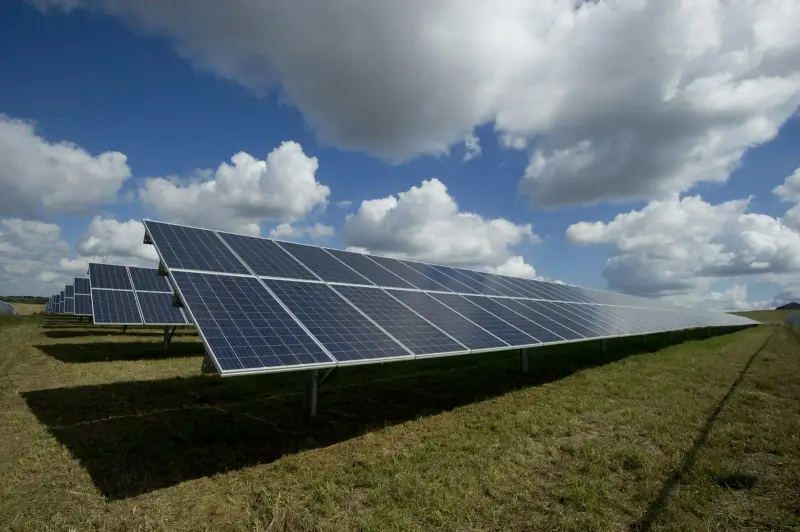
Photo: Solar panels on a home roof by Soren H on Unsplash (Unsplash License).

Mortgages+ marketplace
Ready for solar leads from the mortgage moment?
Create your account, add money and set your first bid in minutes. Or talk to us about a joint venture or a founding partnership.
Already a partner? Sign in to the partner portal. Prefer to talk first? See partnerships, joint ventures and investor options.