Homeowner guide · Home builders
Buying a New Construction Home: Costs, Contracts and Loans
To buy new construction, get pre-approved, bring your own agent, budget for upgrades and lot premiums, compare builder incentives with other lenders, and inspect twice.
A brand-new home has real advantages: modern systems, energy efficiency, a warranty and nobody else’s wear and tear. It also has traps that resale buyers never face: builder contracts, upgrade pricing, long rate-lock periods and closing dates that slip. This guide walks you through each step so the home you love is also a deal you understand.
Key takeaways
- New homes come in three types: move-in ready (spec), to-be-built from a plan, and custom on your own land.
- The base price is a starting point; options, lot premiums and HOA or district fees can add a lot.
- Builder incentives often require the builder’s lender. You may still use any lender, so compare Loan Estimates.
- Hire your own agent and an independent inspector even though the home is new and inspected by the city.
- Read the warranty and the delay clauses in the builder’s contract before you sign.
What are the types of new construction homes?
Move-in ready homes are finished or nearly finished. To-be-built homes are built from the builder’s plans on a lot you pick. Custom homes are designed for you, often on land you own, and usually need a construction loan.
| Type | Typical timeline | Customization | Financing |
|---|---|---|---|
| Move-in ready (spec) | 30 to 60 days | None or limited | Standard purchase mortgage |
| To-be-built (production) | Often 6 to 12 months | Choose plan, lot and options | Purchase mortgage, often with an extended rate lock |
| Custom on your land | Often 9 to 18 months | Full | Construction or construction-to-permanent loan |
Timelines vary widely by builder, market and permitting. Ask each builder for its recent average from contract to closing on homes like the one you want, not the best case.
What does a new construction home really cost?
The base price plus lot premium, structural options, design-center upgrades, and items the base often excludes such as window coverings, fencing or landscaping. Add HOA dues, any special district tax and closing costs.
| Item | Example amount | Notes |
|---|---|---|
| Base price | $420,000 | Advertised price for the plan |
| Lot premium | $15,000 | Corner, cul-de-sac, view or larger lot |
| Structural options | $18,000 | Extra bedroom, covered patio, larger garage |
| Design-center upgrades | $22,000 | Flooring, cabinets, counters, lighting |
| Contract price | $475,000 | What the appraisal needs to support |
| Not included | $6,000 to $15,000 | Blinds, fencing, landscaping, appliances in some markets |
The appraisal is the hidden risk. Lenders base the loan on the lower of the price or the appraised value, and appraisers may not give full credit for every upgrade. Many buyers spend heavily at the design center and then need more cash at closing. A closing cost estimate and a firm upgrade budget before your design appointment keep you safe. Our guide to how appraisals set your loan amount explains what happens if the value comes in low.
Free · no obligation · Home builders
Get matched with home builders pros near you
Secure & privateNo costNo obligationConsent on the next screen
Should you use the builder’s preferred lender?
Maybe, but only after comparing. Builder incentives can be generous, yet you are free to use any lender. Get a Loan Estimate from the builder’s lender and at least one other, then compare the total cost.
Builders often tie incentives such as closing cost credits or rate buydowns to their own or a preferred lender. Federal rules say a builder that owns part of a lender must disclose that relationship in writing and cannot require you to use it (12 CFR 1024.15). Compare the full package using the CFPB’s guide to the Loan Estimate and our tips for shopping more than one mortgage lender.
- Ask the builder for the incentive amount in dollars and whether any part of it applies with an outside lender.
- Check whether a buydown is temporary (for example 2-1) or permanent, and what your payment is after it ends.
- Ask how long the rate lock lasts, what an extension costs, and what happens if the home is late.
- Compare APR, cash to close and the monthly payment, not just the advertised rate.
Long builds and rate locks
A standard rate lock may not cover a 9-month build. Ask about extended or float-down locks and their cost (CFPB).
How do you finance a custom home on your own land?
Usually with a construction-to-permanent loan, which pays the builder in draws during construction and converts to a regular mortgage at completion. Land you own outright may count toward your down payment.
A construction loan works differently from a purchase mortgage. The lender approves you, your builder and your plans, then releases money in stages (draws) after an inspector confirms each phase is done. During construction you often pay interest only on what has been drawn. A single-close construction-to-permanent loan converts to your long-term mortgage when the home is finished, so you close once; a two-close approach uses a short construction loan followed by a separate mortgage.
- Lenders review the builder’s license, insurance, experience and fixed-price contract.
- Plan for a contingency reserve, commonly 5% to 10% of construction cost, for overruns and change orders.
- Ask how rate locks work: some single-close loans lock at the start, others at conversion.
- Equity in land you already own can often serve as some or all of the down payment, based on its appraised value.
- Insurance: you may need builder’s risk coverage during construction and a homeowners policy at completion.
Before closing on any new home, shop coverage early; our guide to lining up insurance on a new build explains what lenders require.
Do you need a real estate agent to buy a new home?
You are not required to have one, but your own agent can negotiate price, incentives and contract terms with a builder whose sales staff represent the builder. Bring the agent on your first visit.
The friendly salesperson in the model home works for the builder. Many builders require your agent to register with you on the first visit if the builder is going to contribute to the agent’s fee, so do not tour alone first. Since 2024, you sign a written agreement with your agent before touring, and that agreement states the fee; ask the builder in writing whether it will contribute. Our checklist for interviewing buyer’s agents covers the questions to ask.
What should you check in a builder’s contract?
Deposits and when they become non-refundable, the completion and delay terms, price escalation clauses, change-order rules, the financing and appraisal contingency, and the warranty and dispute-resolution terms.
- 1Earnest money and option deposits: how much, held by whom, and when they are non-refundable.
- 2Completion date: estimated or firm, and your remedies if the builder is late.
- 3Escalation: whether the builder may raise the price for material or labor costs.
- 4Change orders: deadlines and fees for changes after you sign.
- 5Financing contingency: what happens if your loan or appraisal falls short.
- 6Arbitration: many builder contracts require it; know what you are giving up.
- 7HOA, special district or bond taxes and how much they add each year.
Builder contracts are written by the builder’s lawyers and are often less negotiable than resale contracts. A real estate attorney’s review is a modest cost on a large purchase.
Plan for the first full property tax bill
Your first-year tax estimate may be based on the land alone, before the home was assessed. When the finished home is assessed, taxes can jump and your escrow account can come up short, raising your monthly payment. Ask the builder or your lender for an estimate based on the completed value, and budget for it from day one.
Should you inspect a brand-new home?
Yes. City inspections check code minimums, not workmanship. Hire an independent inspector for a pre-drywall inspection and a final inspection, and again before the 11th month of your warranty.
- Step 1
Pre-drywall
Framing, plumbing, electrical and HVAC runs are visible and fixable now.
- Step 2
Final, before closing
Check grading, roofing, windows, appliances and finish work, then build your punch list.
- Step 3
Builder walk-through
Walk the home with the builder’s rep, confirm every punch-list item in writing.
- Step 4
11-month warranty inspection
Catch settling cracks, drainage and system issues before the first-year coverage ends.
Many builders offer a warranty with one year on workmanship, two on major systems and ten on structure, but terms vary, so read yours. Our home inspection checklist for new owners and the guide to whether an extra home warranty pays off help you fill gaps. ENERGY STAR certified new homes are independently verified for efficiency, a useful tie-breaker between builders (ENERGY STAR).
Frequently asked questions
Can I negotiate the price of a new construction home?
Often yes, especially on completed homes that have sat for a while. Builders may prefer incentives, closing cost help or upgrades over a lower price because price cuts affect comparable sales.
Is a new home more expensive than a resale home?
The price is often higher per square foot, but lower maintenance, efficiency and builder incentives can narrow the difference in your monthly cost. Compare payments, not only prices.
Do I have to use the builder’s lender?
No. A builder may offer incentives for using its lender, but cannot require it if the lender is an affiliate. Compare Loan Estimates before deciding.
What happens if the appraisal is lower than the contract price?
You may need to pay the difference in cash, renegotiate with the builder or reduce upgrades, depending on your contract’s appraisal terms.
Can I use a reverse mortgage to buy a new home?
Homeowners 62 and older may use a HECM for Purchase on a new home once construction is complete and a certificate of occupancy is issued.
When should I get homeowners insurance on a new build?
Shop before closing; your lender will require proof of coverage at closing. Ask about discounts for new roofs and modern systems.
Before your first model-home visit, lock in a pre-approval for your new build so you can compare builder incentives with real numbers.
Related on Mortgages+
More homeowner guides
 Home Appraisals Explained: Lender and Private AppraisalsA home appraisal is a licensed appraiser’s independent opinion of value. Lenders order one for most mortgages; owners hire one for PMI, divorce, estates or tax appeals.
 Home Inspection Checklist for Buyers: What to Check and AskA buyer's home inspection checklist: book within days of an accepted offer, cover roof, structure, systems and safety, add radon or sewer tests, then negotiate repairs.
 Is a Home Warranty Worth It? How to Decide for Your HomeA home warranty can be worth it if your systems and appliances are older and a surprise repair would strain your budget; read the service fee, caps and exclusions first.
 Home Security for New Homeowners: Your Move-In ChecklistNew homeowners should rekey exterior locks, reset every code and smart device, test smoke and CO alarms, then choose monitoring and ask the insurer about discounts.
Run a home builders business? Bid on new-construction buyer leads from homeowners like these in the Mortgages+ partner marketplace.
Sources
Content reviewed November 18, 2026 against these authoritative sources.
- 1.eCFR: 12 CFR 1024.15: Affiliated business arrangements
- 2.CFPB: Understand the Loan Estimate
- 3.CFPB: What’s a lock-in or a rate lock on a mortgage?
- 4.ENERGY STAR: ENERGY STAR certified new homes
- 5.U.S. Census Bureau: New Residential Sales
- 6.NAR: NAR Settlement FAQs
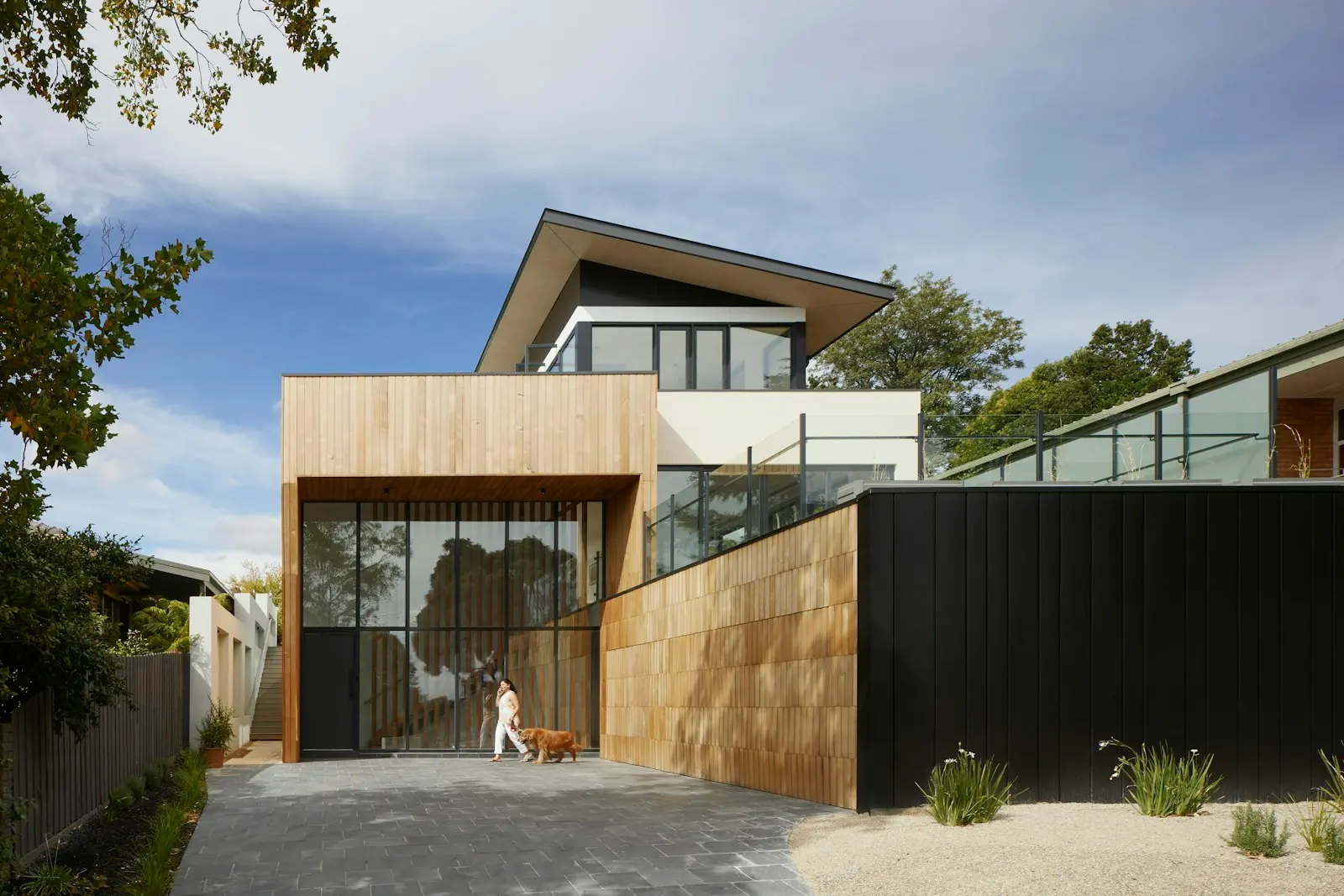
Photo: A newly built modern home on Unsplash (Unsplash License).
Mortgages+ is a marketing platform, not a lender, insurer or service provider. When you request help, we match your request with one participating home builders provider serving your ZIP code, who pays Mortgages+ for it. Mortgages+ may receive compensation from some companies featured on this site.
Ready when you are
Tell us a little about your home and we’ll match you with vetted help nearby.
Get matched →